By Steve Smith
August 6, 2026
Every season brings unique weather challenges, but for homeowners in hurricane-prone regions, preparing before storms arrive is one of the smartest investments they can make. Strong winds, flying debris, and heavy rain can quickly damage unprotected windows, leading to costly repairs and even structural damage inside the home. Fortunately, protecting your property does not always require an expensive renovation.
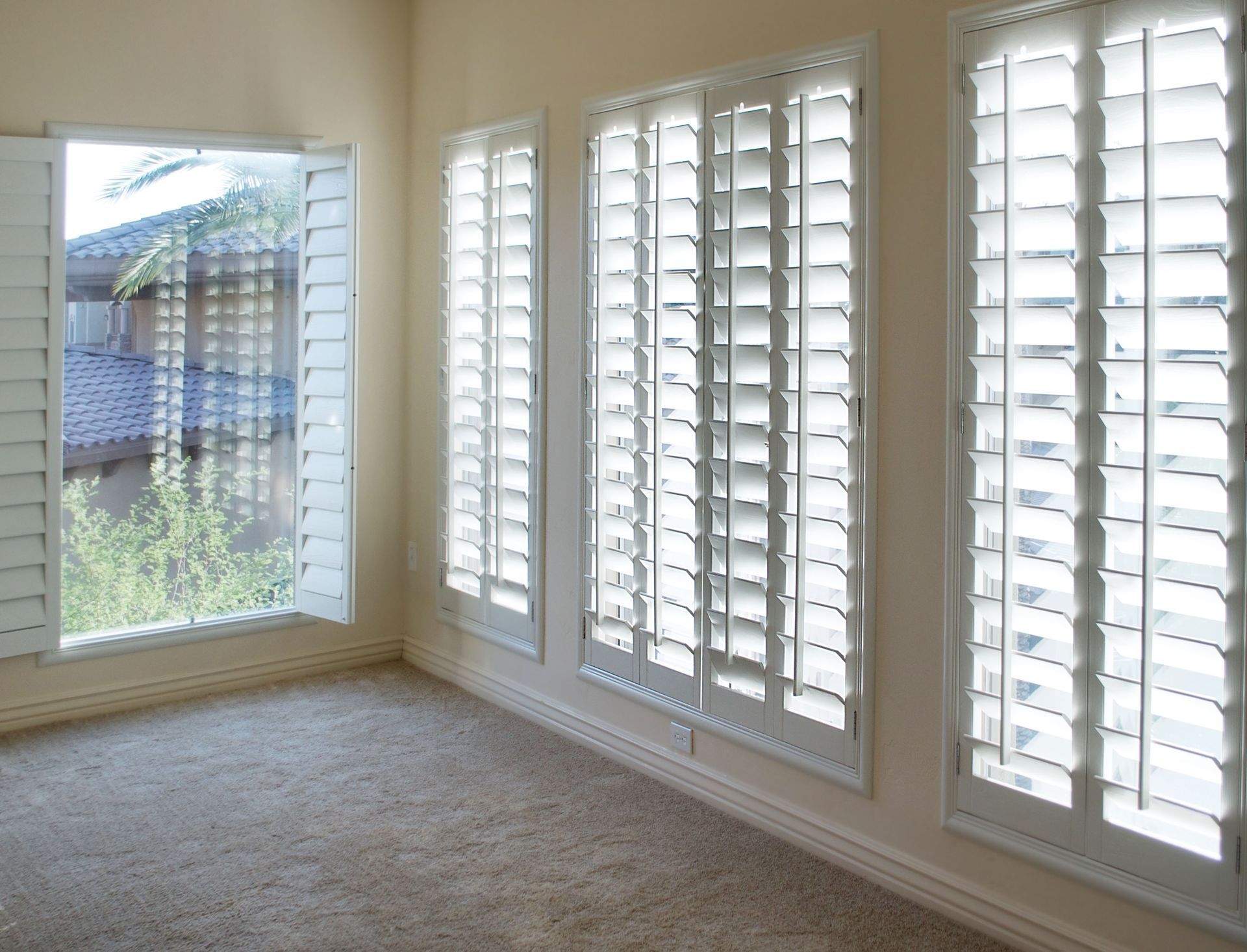
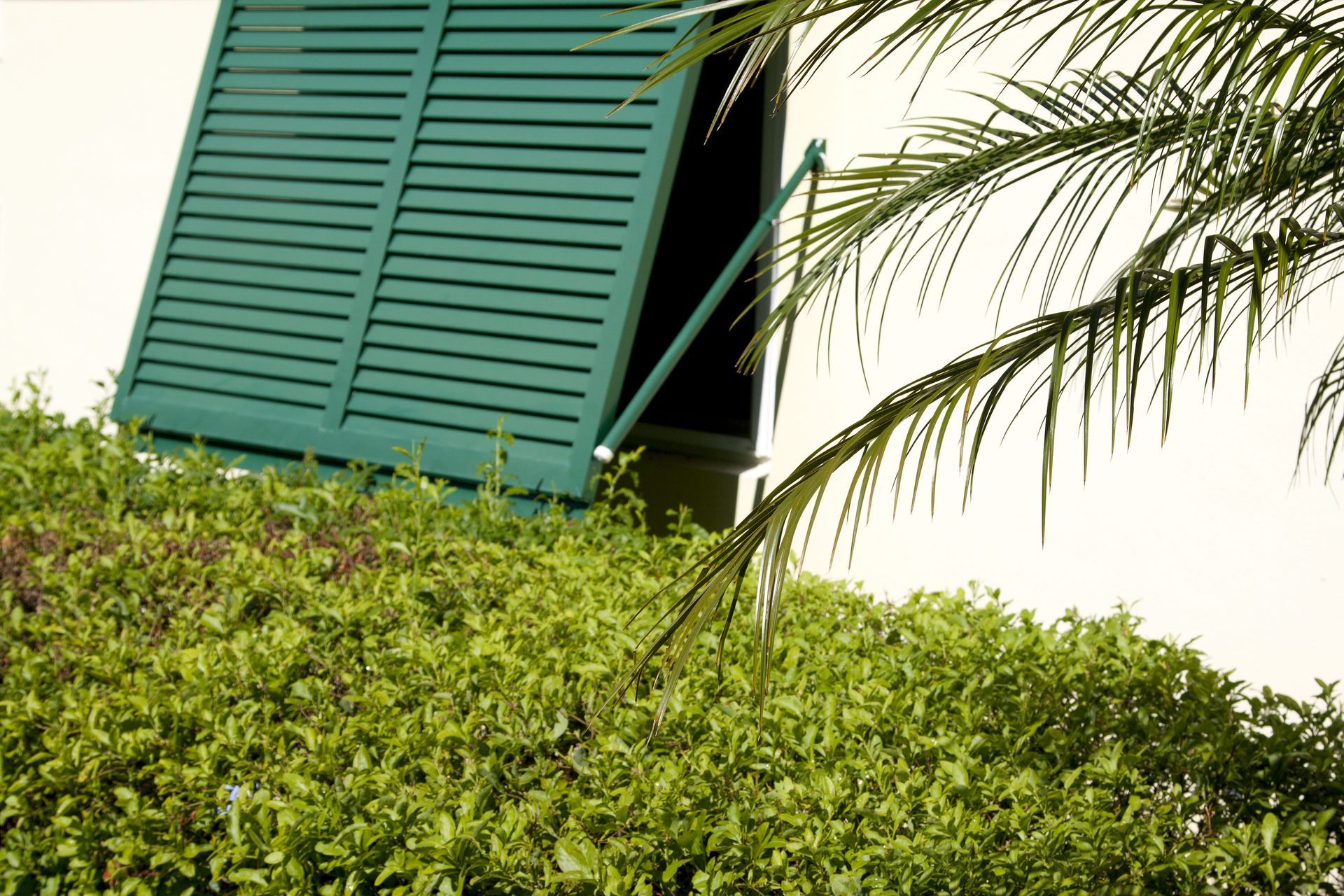
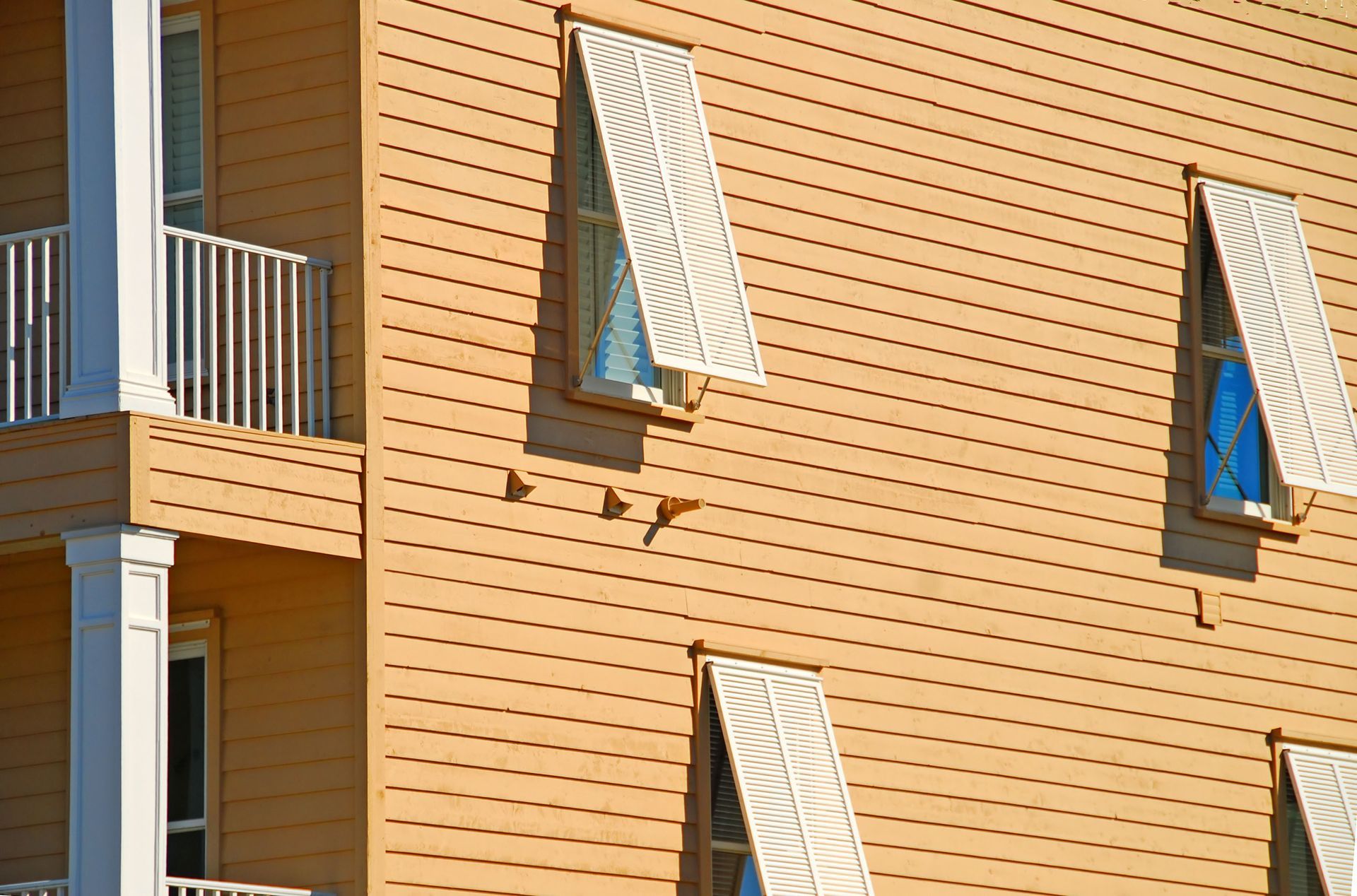
One of the most practical and budget-friendly solutions is installing hurricane shutters. Available in several styles and materials, these protective systems help reduce the risk of broken windows while offering long-term value. Whether you are looking for a temporary seasonal solution or a permanent upgrade, understanding your options can help you find the right balance between affordability and protection. According to Data Intelo, impact-resistant windows and doors accounted for the largest product segment at 38.2% of the hurricane protection market in 2025, demonstrating the growing demand for products designed to withstand severe weather. While impact windows are an excellent option, hurricane shutters remain one of the most affordable ways to improve window protection without replacing existing windows.
Understand How Hurricane Shutters Affect Insurance Rates
Many homeowners are surprised to learn that installing hurricane shutters may have financial benefits beyond protecting their property. In some areas, insurance providers offer discounts for homes equipped with approved storm protection systems because they help reduce the likelihood of storm-related claims.
Insurance companies evaluate the overall risk associated with a property. Homes that feature protective measures such as reinforced roofing, impact-resistant garage doors, and hurricane shutters may qualify for reduced premiums depending on local building codes and insurance requirements. Since these improvements lower the chances of significant storm damage, insurers often view protected homes as less expensive to insure.
The amount of savings varies depending on your location, insurance provider, and the specific shutter system installed. Some companies require professionally installed products that meet local wind-load standards, while others may request documentation or inspections before applying discounts.
Even if insurance savings are modest, the reduced risk of expensive repairs often makes hurricane shutters a worthwhile investment. Preventing a single broken window can help homeowners avoid extensive water damage, mold growth, and interior repairs following a storm.
Evaluate Whether DIY Hurricane Shutters Make Sense
Homeowners looking to reduce costs often consider building their own hurricane shutters. Depending on the design and materials selected, a DIY approach can provide temporary protection while keeping expenses manageable.
Plywood remains one of the most common do-it-yourself options. Properly cut and securely fastened plywood panels can provide a protective barrier against flying debris during severe weather. However, they should be measured, labeled, and prepared well before hurricane season begins to ensure quick installation when storms approach.
Some homeowners also purchase hardware kits that simplify seasonal installation. These systems allow pre-cut panels to be attached more efficiently while providing a more secure fit than makeshift solutions.
Although DIY hurricane shutters can reduce upfront costs, they do have limitations. Improper installation or low-quality materials may leave windows vulnerable during high winds. Additionally, homemade systems typically do not offer the convenience, appearance, or longevity of professionally manufactured shutters.
Before choosing a DIY option, homeowners should carefully consider local building requirements and expected storm conditions. For areas that experience frequent hurricanes, investing in professionally engineered systems may provide greater long-term value.
Compare Material Options for Affordable Hurricane Shutters
Choosing the right material is one of the most important decisions when purchasing hurricane shutters. Each option offers different advantages based on budget, durability, maintenance requirements, and appearance.
Aluminum is one of the most popular materials because it provides excellent strength while remaining relatively lightweight. Aluminum shutters resist corrosion and generally require minimal maintenance, making them a cost-effective solution for many coastal homeowners.
Steel shutters offer exceptional durability and impact resistance but are heavier than aluminum. While they provide excellent protection, they may require more maintenance to prevent rust, particularly in salty coastal environments.
Polycarbonate panels have become increasingly popular because they are lightweight, transparent, and resistant to impacts. Unlike metal panels, they allow natural light into the home during storms while still helping protect windows from flying debris.
Fabric storm panels are another affordable alternative. Constructed from high-strength synthetic materials, these flexible systems are easier to store than rigid panels and can be installed relatively quickly before severe weather arrives.
For homeowners on tighter budgets, removable storm panels often represent one of the most economical forms of hurricane shutters. Although they require seasonal installation and storage, they deliver reliable protection at a lower cost than permanently mounted systems.
When comparing materials, it is important to consider not only the initial purchase price but also long-term maintenance, expected lifespan, and ease of use.
Combine Hurricane Shutters With Other Protective Measures
While hurricane shutters provide excellent protection, combining them with additional storm preparation strategies can further improve your home's resilience during severe weather.
Regular window maintenance is an important first step. Inspecting window frames, replacing worn weatherstripping, and sealing small gaps can help reduce water intrusion during heavy rain.
Landscaping also plays a significant role in storm preparedness. Trimming tree branches and removing loose outdoor items helps minimize flying debris that could strike windows during high winds.
Garage doors deserve attention as well. Since garage door failures can increase pressure inside a home during hurricanes, reinforcing these large openings helps reduce the risk of widespread structural damage.
Homeowners should also inspect roofing materials, gutters, and drainage systems before hurricane season. Keeping gutters clear allows rainwater to flow away from the home more effectively, reducing the risk of leaks and foundation problems.
Emergency preparedness extends beyond physical upgrades. Keeping flashlights, batteries, first aid supplies, bottled water, and important documents readily available ensures your household is better prepared if severe weather disrupts utilities or requires temporary evacuation.
When these protective measures are combined with hurricane shutters, homeowners create multiple layers of defense that work together to reduce storm-related damage.
Learn What to Expect During Installation
One of the most common questions homeowners ask is whether hurricane shutters are difficult to install. The answer depends largely on the style of shutter selected and the homeowner's level of experience with home improvement projects.
Removable storm panels generally involve the simplest installation process. Once mounting hardware has been installed, the panels can usually be attached before an approaching storm and removed afterward for storage. This makes them a practical choice for homeowners looking for affordability and seasonal flexibility.
Accordion shutters remain permanently attached alongside windows and unfold when needed. While installation requires greater precision, their convenience makes them an attractive long-term investment because there are no separate panels to store.
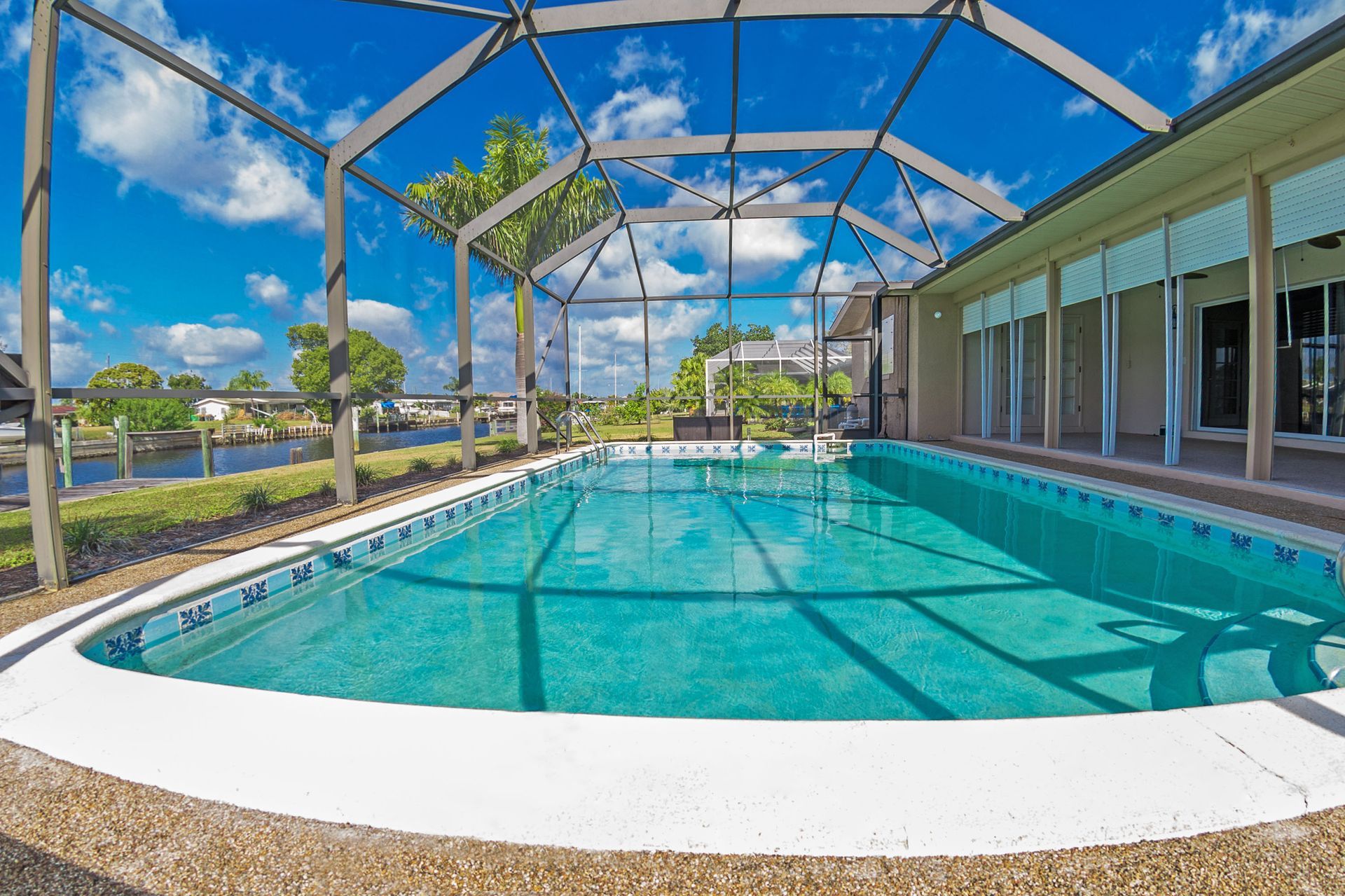
Roll-down systems offer one of the easiest operating experiences after installation. These shutters can often be deployed quickly with a manual crank or motorized controls, making storm preparation faster and more convenient. However, their higher purchase price and installation complexity may place them outside the budget of some homeowners.
Professional installation provides several important advantages. Experienced installers understand local building codes, ensure proper anchoring, and verify that the shutters meet required wind-load ratings. Proper installation also helps maximize product performance during severe weather.
For homeowners with construction experience, certain panel systems may be suitable as weekend projects. However, carefully following manufacturer instructions and local permitting requirements is essential to ensure the shutters perform as intended when storms arrive.
Ultimately, the right installation approach depends on your budget, skill level, and the amount of protection you want for your home.
Make Smart Investments Before Storm Season Arrives
Preparing your home before hurricane season is one of the most effective ways to reduce potential storm damage while protecting your family's safety. Although there are many storm protection products available, hurricane shutters continue to offer one of the most affordable and practical solutions for homeowners seeking dependable window protection.
Whether you choose removable panels, accordion systems, or professionally installed roll-down shutters, selecting the right option depends on your budget, local weather risks, and long-term goals. Pairing
hurricane shutters with regular home maintenance, landscaping improvements, and emergency planning creates a comprehensive approach to storm preparedness.
By taking proactive steps before severe weather arrives, homeowners can reduce repair costs, improve peace of mind, and better protect one of their most valuable investments for many seasons to come. If you're looking for quality shutters, reach out to Atlantic Storm Protection today!