By Steve Smith
October 26, 2026
Choosing storm protection for your home means weighing more than appearance. Accordion shutters and roll down shutters can both help protect window and door openings when severe weather approaches, but they differ in how they are stored, deployed, and integrated into a property. Your home's architecture, the size and number of openings, available storage, and how quickly you need to secure the building can all influence the decision. Understanding these differences can help you compare options and select a system that fits your home's practical needs.
Comparing Operation and Everyday Convenience
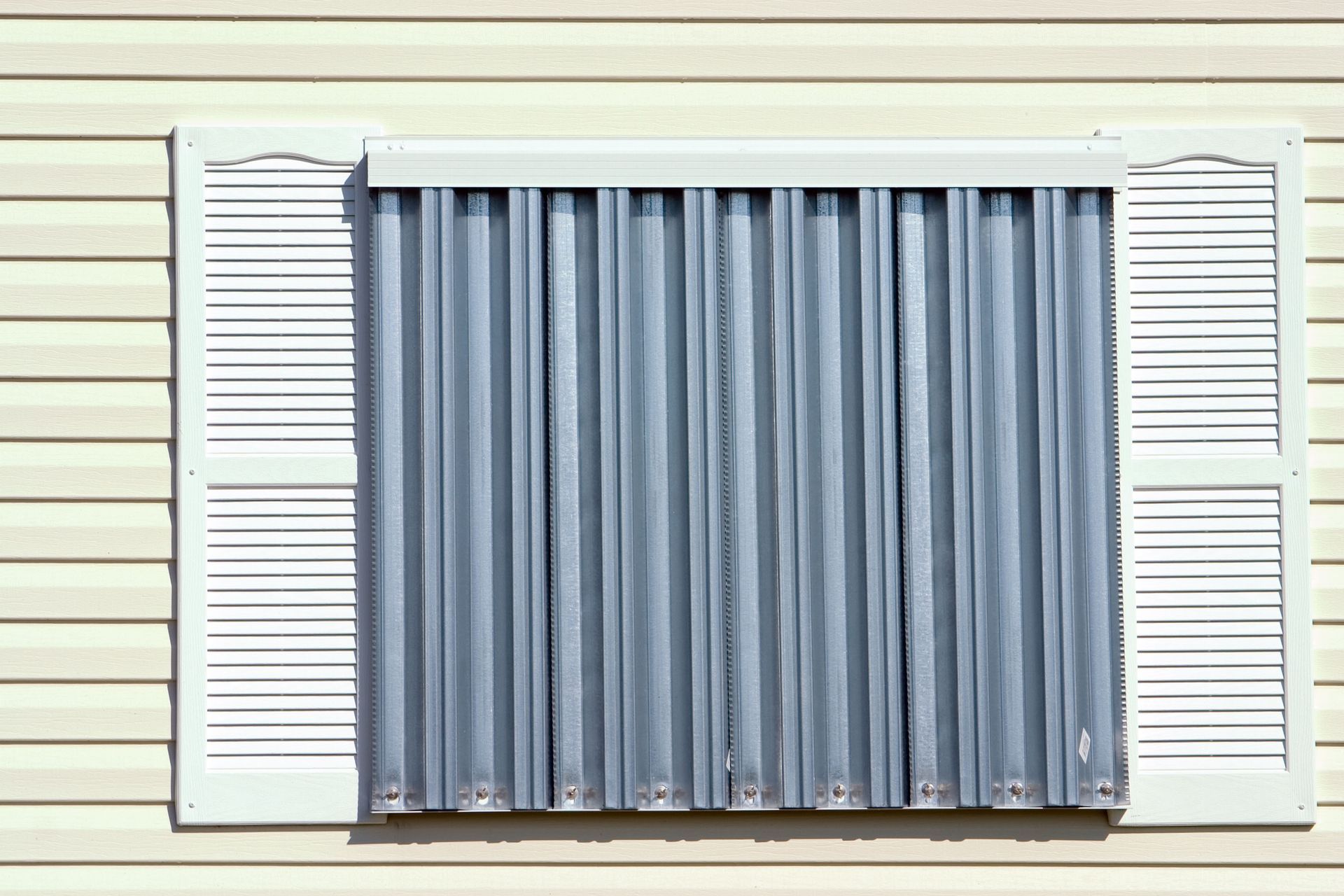
Accordion shutters consist of linked panels that fold and stack beside a window or door when not in use. When a storm threatens, the panels slide along tracks and close across the opening, where they are secured in place. Because the system remains attached to the home, residents do not need to locate and carry separate panels from storage. However, each opening must be closed individually, and the panels depend on proper maintenance and unobstructed tracks to move as intended.
Roll down shutters operate by moving a curtain down from a compact housing installed above the opening. Depending on the model, the curtain may be operated manually with a crank or through a motorized control. This can make deployment convenient, particularly for larger openings or properties with many windows. A roll down shutters system can also reduce the amount of visible hardware around an opening when the curtain is raised, although the housing remains part of the exterior design.
Evaluating Protection and Product Specifications
Neither shutter style should be judged by its name alone. Protection depends on the specific product, its tested performance, the installation method, and whether the system is appropriate for the home's location and building requirements. Homeowners should confirm that the selected shutters have the ratings and approvals required for their area and the hazards they are intended to address. Professional guidance can help explain how product specifications relate to wind pressure, impact exposure, and the dimensions of each opening.
A shutter must fit its opening and be secured according to the manufacturer's requirements to perform as designed. Window shape, surrounding materials, attachment points, and the condition of the building can affect installation decisions. Some properties have unusually wide windows, sliding glass doors, or architectural features that require careful measurement and product selection. A professional assessment helps determine which systems are suitable instead of assuming one design works equally well for every opening.
Considering Installation and Exterior Appearance
Accordion shutters are usually visible along the sides of protected openings, even when folded away. Some homeowners appreciate that the panels are permanently in place and easy to locate, while others may prefer a less noticeable appearance during ordinary days. The tracks and folded panels should be considered when evaluating how the system will look beside windows, doors, patios, and other exterior features. Finishes and configurations may vary, so the final appearance depends on the product selected and the home's layout.
Roll down shutters typically use a housing above each opening, with side guides that direct the curtain as it moves. When raised, the curtain is concealed in the housing, creating a different visual profile from accordion panels. The housing's size and placement can affect the appearance of the façade, particularly around large windows or entrances. Discussing placement and finish before installation helps homeowners understand how the system will complement the exterior and whether architectural details need special consideration.
Balancing Cost With Long-Term Value
The total cost of a shutter system depends on more than the product price. The number and size of openings, installation complexity, access requirements, materials, and the choice between manual and motorized operation can all influence the overall investment. Accordion shutters may be a practical option for homeowners who want permanently attached protection with a straightforward operating mechanism. Roll down shutters can involve additional components or electrical work when motorized, but their convenience may be valuable for certain properties.
Comparing estimates is most useful when each proposal covers similar openings and performance requirements. Homeowners should review what is included, how the system will be installed, and what maintenance the manufacturer recommends. A lower initial estimate may not reflect differences in product specifications, hardware, finish, or operating features. Looking at expected use, service needs, and the home's specific requirements offers a more complete basis for comparing long-term value.
Planning for Seasonal Storm Readiness
A shutter system is most useful when homeowners understand how it works before severe weather is imminent. According to WUSF, the Atlantic hurricane season officially extends from June 1 through November 30. Storms can develop at different points within that window, and tropical systems can occasionally occur outside the official dates. Planning ahead gives property owners more time to review their protection, arrange professional service, and understand the steps required to secure each opening.
Accordion systems require enough clearance for panels to travel along their tracks and latch properly. Roll down shutters should be checked according to manufacturer guidance so that curtains, guides, and operating mechanisms function as intended. For motorized products, owners should understand the specified operating method and any provisions the manufacturer recommends for power interruptions. Regular professional maintenance can identify wear or operating issues before a storm forecast creates pressure to prepare quickly.
Matching the System to Your Home
The right choice depends on how your property is used and what matters most to your household. Accordion shutters may appeal to owners who want an attached system with a visible, manual closing process and no need to store separate panels. Roll down shutters may be attractive to homeowners who prioritize a compact appearance when open or want the option of motorized operation. Neither style is automatically right for every house, so the decision should be based on opening sizes, product ratings, budget, and daily convenience.
Consider the number of openings that must be secured and who will operate the shutters when weather conditions change. A home with many windows may benefit from a different operating approach than a home with only a few exposed openings. Accessibility, physical comfort, and the presence of large glass doors can also affect which system is practical. A qualified provider can review these considerations and explain the available configurations without treating a single feature as the only deciding factor.
Coordinating Professional Assessment and Installation
Accurate measurements and appropriate installation are central to shutter performance. A professional assessment can identify the dimensions of each opening, evaluate attachment surfaces, and determine which product options fit the home's construction. Installers can also explain the operating process, demonstrate relevant controls, and outline care recommendations after the work is complete. These steps help ensure the homeowner understands how the system is intended to function and what to expect from it.
Professional coordination is especially helpful when a project includes different opening types or a mixture of window sizes. The installer can determine whether one shutter style suits the entire property or whether specific openings require a different configuration. Homeowners should ask about product documentation, applicable approvals, installation details, and recommended maintenance as part of the selection process. Clear answers make it easier to compare proposals and feel prepared to operate the chosen system when needed.
Selecting accordion or
roll down shutters is an important part of planning for severe weather, and the right decision starts with understanding your home's layout and protection needs. Atlantic Storm Protection can help you review suitable options, compare operating features, and consider how different systems may work with your property's design. We can discuss the openings you want to protect and explain factors that matter when selecting and installing storm shutters. Contact Atlantic Storm Protection to arrange a consultation and take the next step toward a storm-protection plan that fits your home.