By Steve Smith
August 27, 2026
Coastal residents face massive threats from severe weather. Tropical storms bring immense power, capable of destroying entire neighborhoods in short periods. Homes remain vulnerable to powerful gusts and sudden pressure changes. Windows represent the weakest point in residential architecture. Glass shatters under pressure, opening the interior to extreme elements. Installing hurricane shutters provides a robust barrier against these atmospheric forces.
Structural integrity depends on keeping the exterior envelope intact. When strong winds breach a window, the pressure differential creates catastrophic internal forces. Roofs detach from walls, and walls collapse into the yard. Securing glass openings prevents this cascading failure. Property owners invest in defense mechanisms to preserve their residences. Solid barriers shield fragile glass, maintaining the seal between interior comfort and exterior chaos.
Defending Structures Against Intense Winds
Atmospheric disturbances generate staggering wind velocities. These gales push against building facades with immense, relentless force. Unprotected windows bow and flex under the sustained load. Glass fails under the sheer raw power of nature. Maintaining a solid exterior prevents wind from entering the structure. Defensive panels block these sustained gusts, ensuring the glass does not reach a breaking point.
Wind entering a residence creates immediate upward pressure. This dynamic force acts like a parachute inside the living room. The roof takes the brunt of this upward push. Structural connections between roof trusses and wall plates suffer immense strain. Roofs detach when internal pressure combines with external suction. Keeping wind outside preserves the structural frame. A sealed house resists destructive forces.
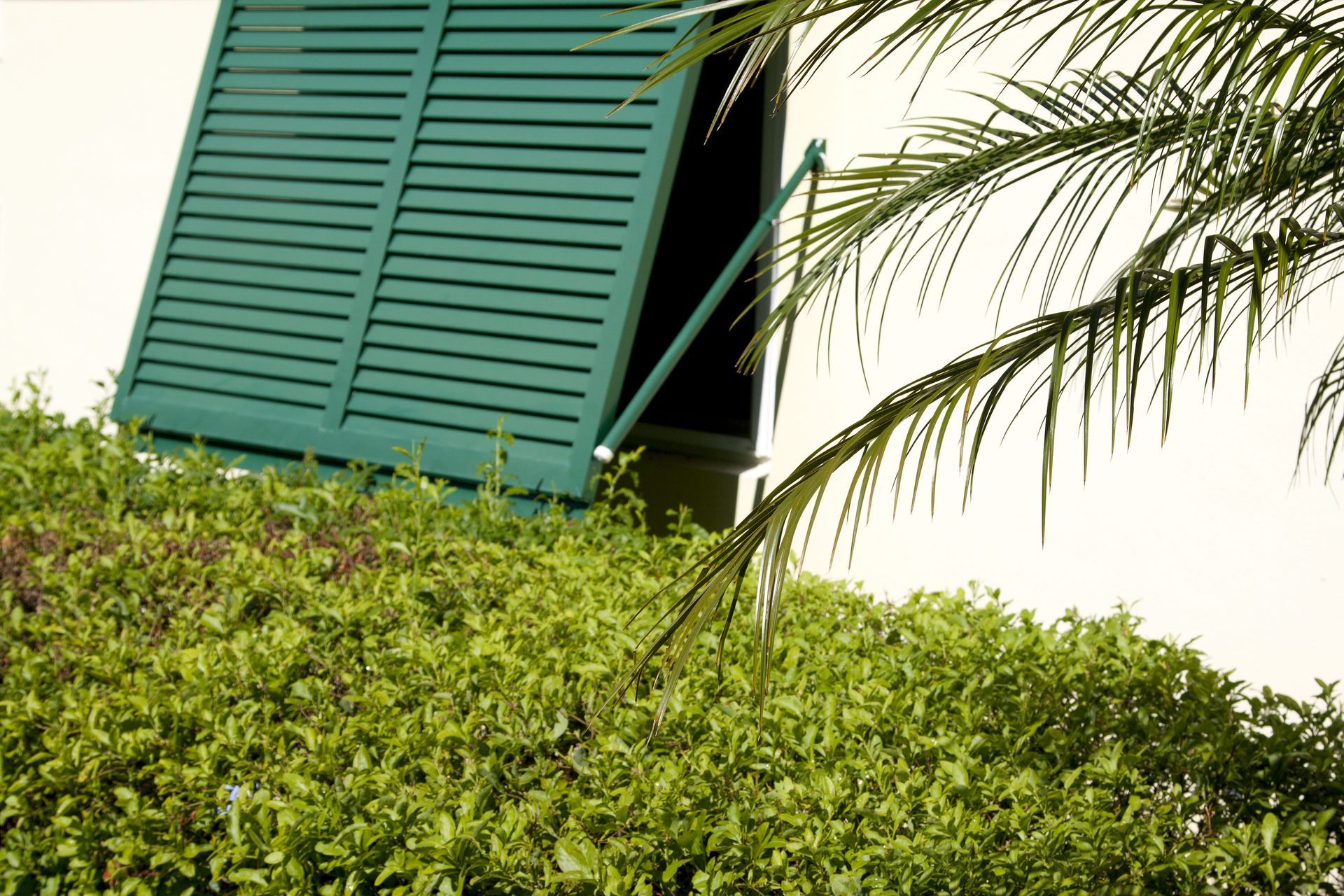
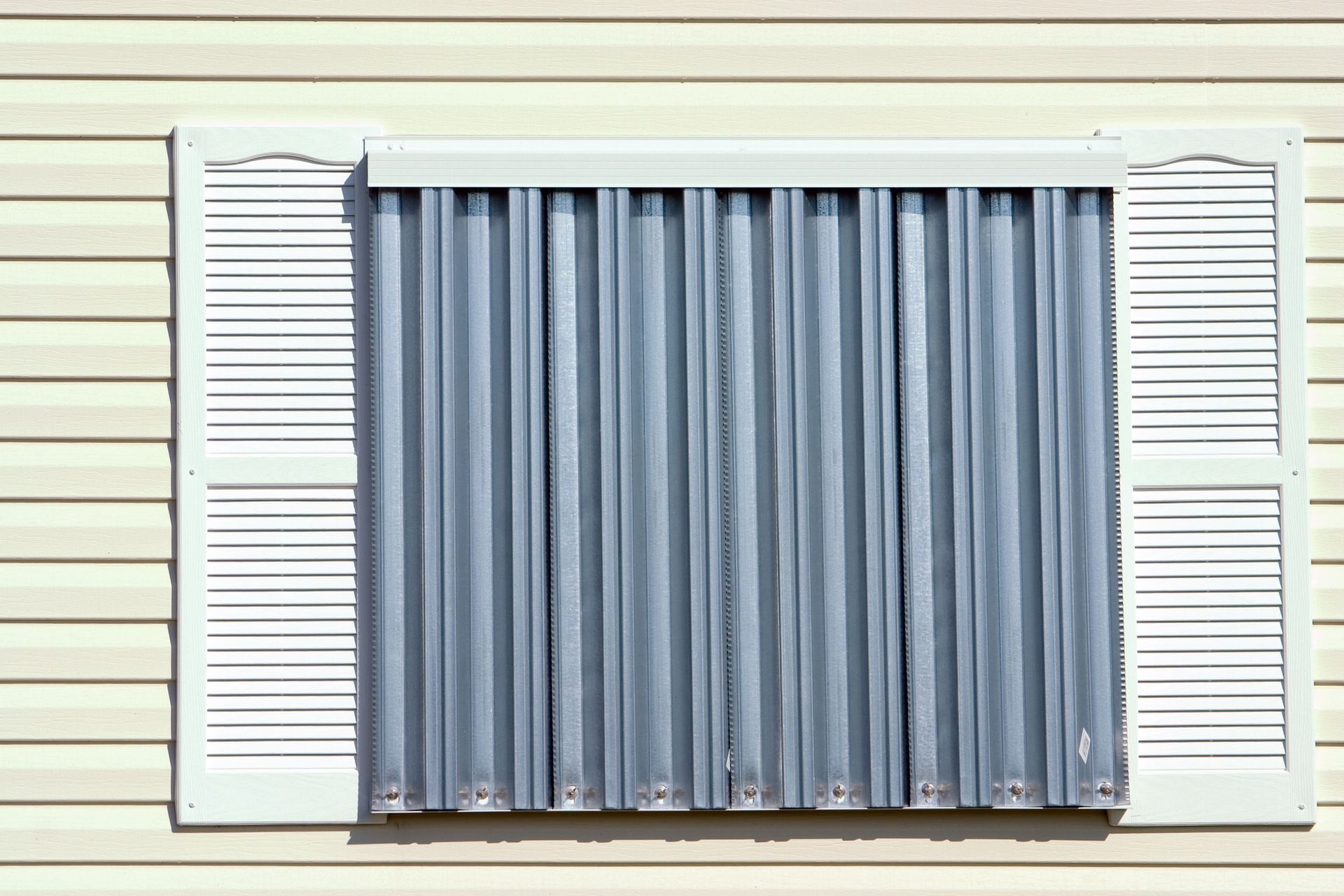
Sealing a property limits wind intrusion. Property owners rely on thick materials to cover vulnerable openings. Hurricane shutters lock into place before the storm arrives. Robust metal or polycarbonate materials deflect air currents away from the delicate glass. Deflection reduces total pressure exerted on window frames. Keeping the frames intact prevents cascading structural damage. Shielding the glass eliminates sudden pressure drops.
Pressure equalization plays a crucial role in building survival. Homes exist in a state of equilibrium with the outside environment. Severe storms disrupt this balance with rapid atmospheric shifts. Artificial coverings maintain the barrier, allowing the house to withstand exterior fluctuations. The residence survives the event because the pressure remains stable inside. Solid covers guarantee this vital structural stability.
Guarding Interiors Against Flying Debris
Gale-force winds turn everyday objects into dangerous projectiles. Tree branches, patio furniture, and neighborhood debris take flight during extreme weather events. Airborne hazards travel at terrifying speeds through residential zones. A standard glass pane offers no resistance to heavy objects. Upon impact, the window disintegrates into hazardous shards. Blocking these missiles remains a top priority for any proactive homeowner.
Broken glass introduces additional hazards into the living space. Shards scatter across floors, threatening occupants and pets. The gaping hole allows torrential rain to flood the interior rooms. Water damage ruins drywall, flooring, and electrical systems. Airborne missiles carry mud and filth into clean spaces. A breached window guarantees extensive interior destruction. Preventing penetration keeps the house pristine and dry.
Property owners utilize hurricane shutters to intercept dangerous projectiles. The rigid surface absorbs the kinetic energy of flying debris. The exterior panel might dent or scratch, but the delicate glass behind it remains pristine. Energy absorption prevents external objects from breaching the sanctuary of the home. Intercepting debris saves countless hours of post-storm cleanup. The physical barrier stops neighborhood missiles.
Impact resistance defines the effectiveness of storm protection. Manufacturers test their products against simulated debris impacts. Passing these rigorous evaluations ensures the protective barrier will perform during actual meteorological events. Materials like extruded aluminum or reinforced fabric provide immense strength. These robust materials shrug off impacts that would obliterate ordinary building components. Residents avoid catastrophic property loss by relying on durable materials.
Securing Finances Against Storm Damage
Repairing storm damage requires substantial capital. Rebuilding walls, replacing roofs, and drying out flooded interiors drain savings accounts. Material shortages following a regional disaster inflate construction prices. Securing contractors becomes a tedious, expensive process. Preventing damage before the storm makes better economic sense. Defensive investments pay dividends by eliminating massive repair bills. Owners preserve their wealth by stopping destruction early.
Property values plummet when a home suffers severe structural damage. Potential buyers avoid houses with water intrusion history or compromised foundations. Maintaining an undamaged exterior preserves the market value of the estate. Intact homes command premium prices in real estate markets. Preventive measures show prospective buyers that the residence receives excellent care. A well-maintained property retains equity despite seasonal threats.
Insurance policies dictate a large portion of coastal living expenses. Premium costs continue to rise in disaster-prone areas. Mitigating risk leads to financial relief. According to Rollac (referencing Florida Statute §627.0629), by securing all exterior glass with code-approved storm panels or shutters, property owners can earn a 5% to 25% reduction on the wind and hurricane section of their yearly home insurance premiums.
Long-term savings offset the initial cost of protective systems. The upfront expense of installing hurricane shutters requires capital consideration. Yet, the combined benefits of insurance reductions and avoided repair costs balance the ledger. Homeowners experience an excellent return on investment over the lifespan of the property. Financial stability remains secure despite unpredictable weather patterns. Wise investments build resilient estates.
Protecting Families Against Severe Weather
Human life holds far more value than physical property. A collapsing roof or exploding window puts inhabitants in grave danger. Flying glass causes severe lacerations and physical trauma. Maintaining a secure perimeter ensures the inhabitants survive the atmospheric turmoil without harm. Strong barriers keep out danger, enclosing families in a safe, dry environment. Physical safety must remain the foremost priority.
Psychological stress accompanies major storm warnings. Residents worry about their physical safety and their material possessions. Knowing the residence possesses strong defensive measures reduces this anxiety. Hurricane shutters provide immense peace of mind. Families rest easier knowing a solid metal shield stands between them and the howling vortex outside. Mental well-being remains intact throughout the ordeal without succumbing to panic.
Evacuation orders force families onto crowded highways. Securing a house before fleeing takes time and precious energy. Permanent protection systems deploy in minutes, streamlining the departure process. Residents lock down their property and leave without physical exhaustion. A fast lockdown grants extra hours to navigate traffic and find safe shelter far from the impact zone. Streamlined preparations reduce evacuation chaos.
Returning to a destroyed home devastates families. Finding temporary housing after a regional catastrophe presents a massive logistical challenge. Shelters reach maximum capacity, and hotel rooms vanish across the state. Intact homes allow families to resume regular routines without delay. Shielded houses remain habitable, letting owners focus on clearing yard debris. Secure shelter stands as the ultimate necessity during recovery.
Severe storms test the limits of residential engineering. Coastal inhabitants must adapt to the relentless power of nature to survive. Defending a property requires foresight, planning, and robust materials. The strategic use of hurricane shutters bridges the gap between vulnerability and security. Blocking wind and deflecting debris keeps the structural envelope whole. Owners avoid disastrous repair cycles.
Resilience remains the ultimate goal for property owners facing extreme climates. Building a fortress against the elements demands proactive, decisive measures. Solid exterior barriers transform fragile glass into impenetrable shields. Preserving the roof, the delicate interior, and the occupants ensures a fast recovery after the weather clears. Thorough preparation defeats destruction, allowing coastal living to remain a safe, viable lifestyle. Reach out to us at Atlantic Storm Protection today to secure your property with our durable hurricane shutters. We are ready to answer your questions and help you prepare your home for the next severe storm.